5 Ways Standard Moving Practices Can Ruin High Value Antiques
Mr Move It All • August 19, 2026
Transporting a priceless antique requires an entirely different approach than throwing a standard sofa into the back of a truck. Many homeowners assume regular moving methods will suffice as long as the crew is careful. We see the consequences of this mindset at Mr Move It All when called to fix poorly planned relocations. Standard moving blankets and basic lifting techniques simply do not offer the protection delicate historical pieces demand.
The damage often happens slowly through vibration or sudden temperature shifts rather than a dramatic drop. When you know exactly how conventional methods fail you can better protect your investments. We rely on specialized techniques designed specifically for fragile wooden furniture and delicate art. Here are five ways standard methods fall short and what you must do differently.
What We Cover:
- Tip 1: Avoiding Surface Friction from Standard Blankets
- Tip 2: Stopping Structural Joint Stress
- Tip 3: Preventing Wood Shock in Dry Climates
- Tip 4: Securing Internal Components Properly
- Tip 5: Upgrading to Custom Crating Solutions
- Frequently Asked Questions
- Protect Your Antiques Properly
Tip 1: Avoiding Surface Friction from Standard Blankets
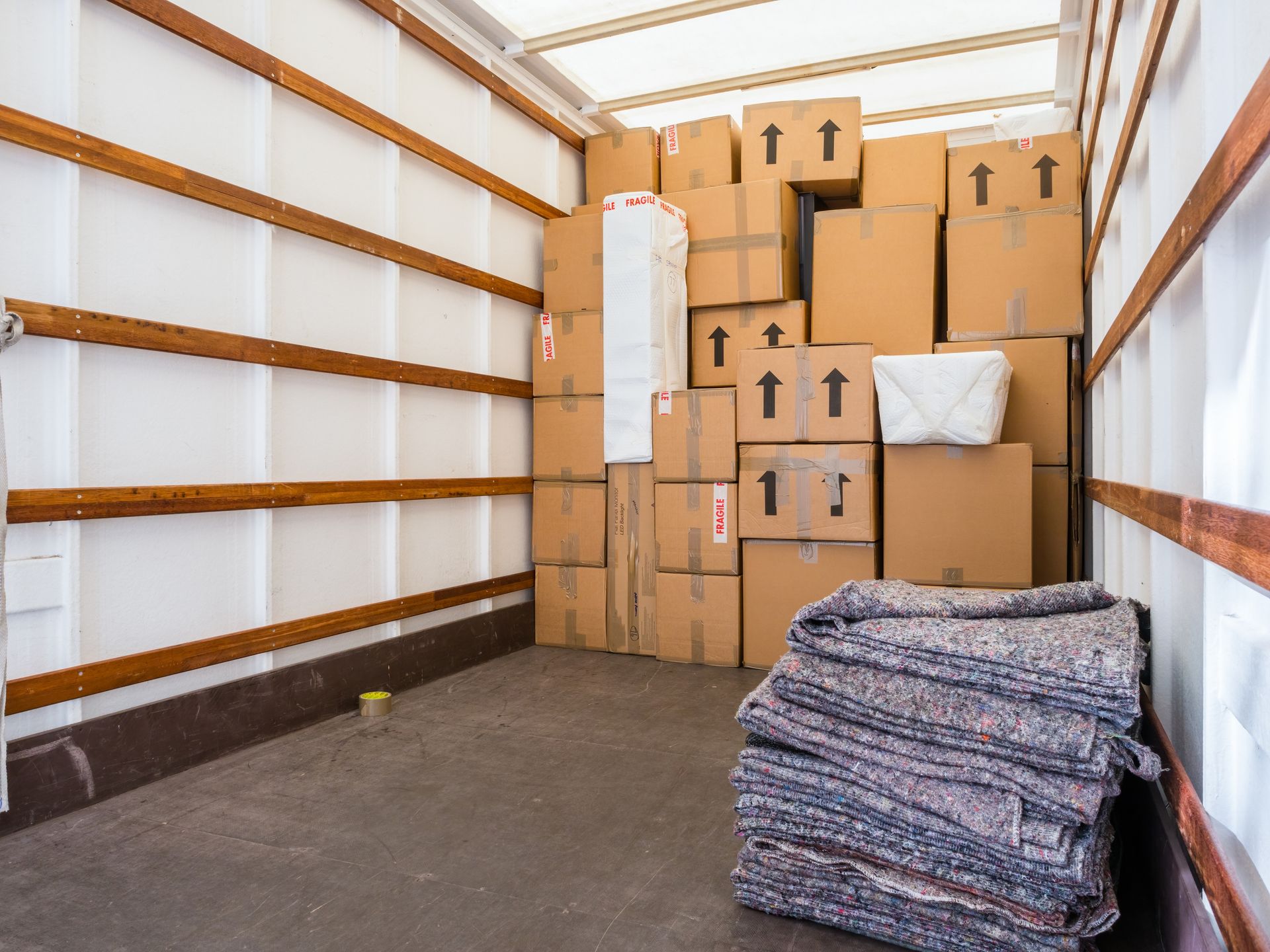
A typical quilted moving blanket is great for a modern dresser but it can destroy the patina on an antique. The coarse fabric rubs against fragile finishes and creates micro scratches over miles of road vibration. Professional specialty item packing requires softer inner layers before the heavy exterior padding goes on.
- First Layer Protection: Wrap the entire piece in a breathable glassine or soft cotton wrap to protect the varnish.
- Outer Padding Application: Secure the heavy quilted pads over the soft layer to absorb physical impacts.
- Tape Placement Warning: Never let packing tape touch the wood surface directly as the adhesive strips away antique finishes.
Tip 2: Stopping Structural Joint Stress
Old furniture was put together using hide glue and wooden dowels rather than modern screws and metal brackets. When inexperienced movers tilt an antique wardrobe backward they often put massive sheer force on legs that were never meant to bear weight at an angle. Lifting these items requires trade specific knowledge of antique joinery and structural weak points.
- Proper Lifting Angles: Lift the piece entirely from the thickest part of the base rather than tilting it on fragile legs.
- Support Frame Usage: Slide custom built wooden support sleds under heavy cabinets to distribute the carrying weight evenly.
- Component Disassembly: Remove heavy marble tops or glass doors before moving to take excess strain off the primary wooden joints.
Tip 3: Preventing Wood Shock in Dry Climates
Taking a centuries old cabinet out of a climate controlled house and putting it in a hot moving truck causes rapid moisture loss. Standard movers ignore humidity levels but wood expands and contracts violently in dry local environments like Algodones. This rapid shift causes veneers to peel and solid wood panels to split right down the middle.
- Climate Control Transport: Request a truck with internal temperature regulation to keep the wood stable during the drive.
- Gradual Acclimation: Leave the piece wrapped in its protective blankets for a full day after arriving at the new location.
- Moisture Barrier Implementation: Use specialized moving wraps that retain the natural moisture of the wood while preventing external condensation.
Tip 4: Securing Internal Components Properly
Standard movers often leave drawers and shelves inside furniture and simply tape the doors shut. The internal bouncing of heavy antique shelves acts like a hammer against the inside of the cabinet over bumpy roads. Every loose component must be removed and packed separately to prevent internal destruction.
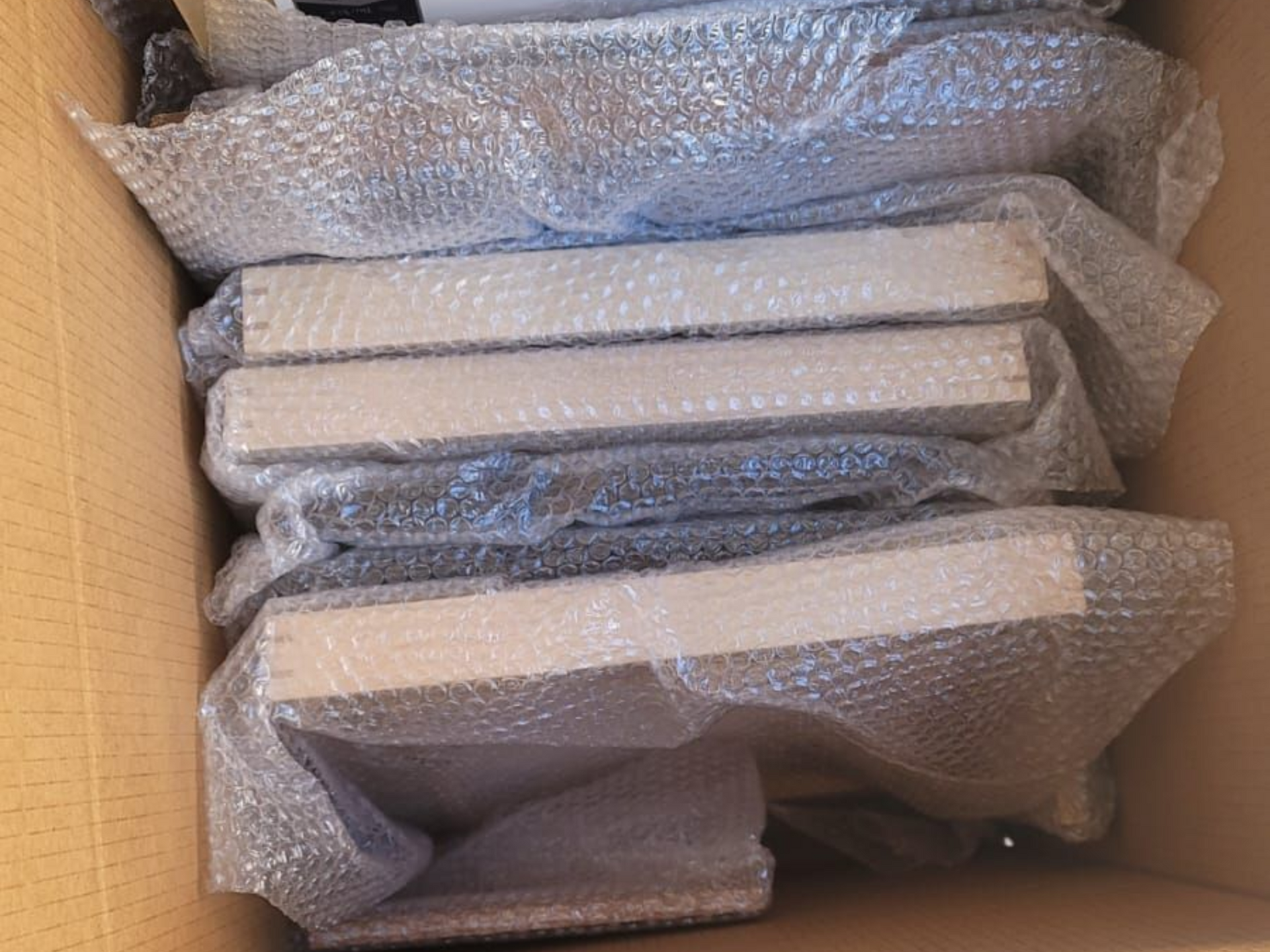
- Shelf Removal Strategy: Take out all wooden shelves and wrap them individually in heavily padded blankets.
- Drawer Management Plan: Empty all antique drawers and transport them outside the main furniture frame to reduce the total carrying weight.
- Key and Hardware Storage: Secure all original keys handles and fragile finials in a clearly labeled hard case so they do not scratch the wood in transit.
Tip 5: Upgrading to Custom Crating Solutions
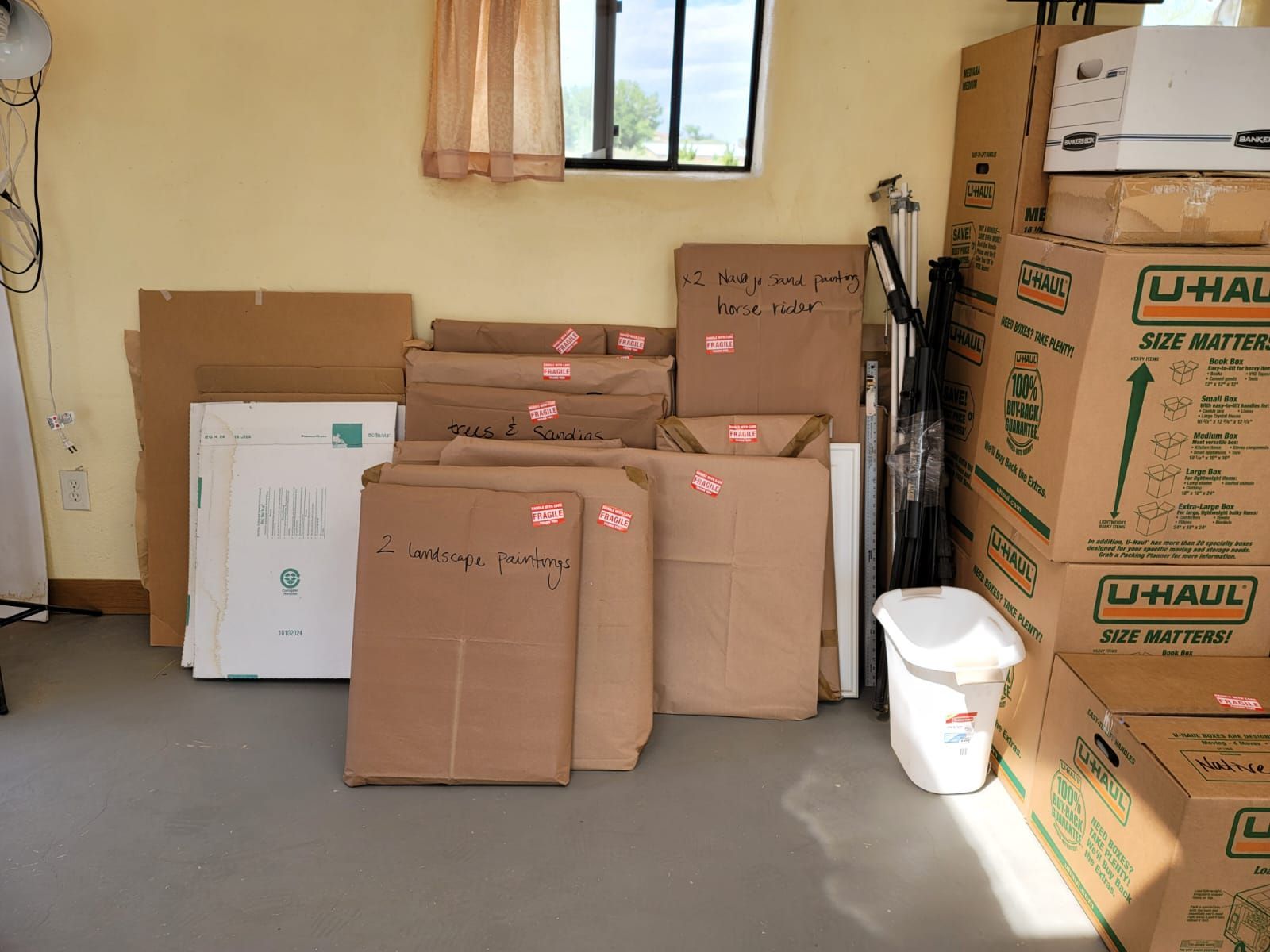
Cardboard and blankets are completely inadequate for highly valuable or structurally compromised pieces. Standard moving crews rarely carry the raw materials needed to build exact fit wooden crates on site. True antique relocation relies on custom carpentry to build a protective shell around the item.
- Exact Measurement Fabrication: Build a wooden crate that leaves precisely two inches of space around the antique for foam injection.
- Foam Isolation Layer: Fill the void space with high density foam blocks so the piece essentially floats inside the wooden shell.
- Tip Indicator Installation: Attach tilt sensors to the outside of the crate to ensure the piece remains perfectly upright during the entire transport process.
Frequently Asked Questions
How do you wrap an antique cabinet for a move?
You must start by applying a soft breathable barrier layer like glassine paper directly against the wood to protect the finish. Next you wrap the entire cabinet in shock absorbing foam followed by heavy quilted moving blankets. The final step is securing the blankets tightly with stretch wrap making sure no plastic or adhesive ever touches the actual wood surface.
Do regular movers handle high value art?
Most standard household movers lack the climate controlled vehicles and custom crating materials required for high value artwork. Art requires acid free packing materials and exact humidity control to prevent canvas warping and paint flaking. You need a specialty moving crew that understands archival packing standards to transport these investments safely.
What is custom crating for moving?
Custom crating is a specialized service where carpenters build a precise wooden box specifically for one delicate or valuable item. The interior is lined with custom cut foam that suspends the item to absorb all road shocks and vibrations. This method provides the highest level of structural protection possible during a long distance or complex local move.
Protect Your Antiques Properly
Seeing an irreplaceable family heirloom damaged because of poor planning is a heartbreaking reality you can easily avoid. Upgrading your moving strategy from standard blankets to proper custom crating ensures your investments survive the journey. Protect the history of your most valuable pieces by booking a crew that respects delicate antique construction. Reach out to our specialty moving team today to discuss the safest transport plan for your collection.
Share This Blog