Tips for Avoiding Home Damage When Moving Furniture
Mr Move It All • May 22, 2023
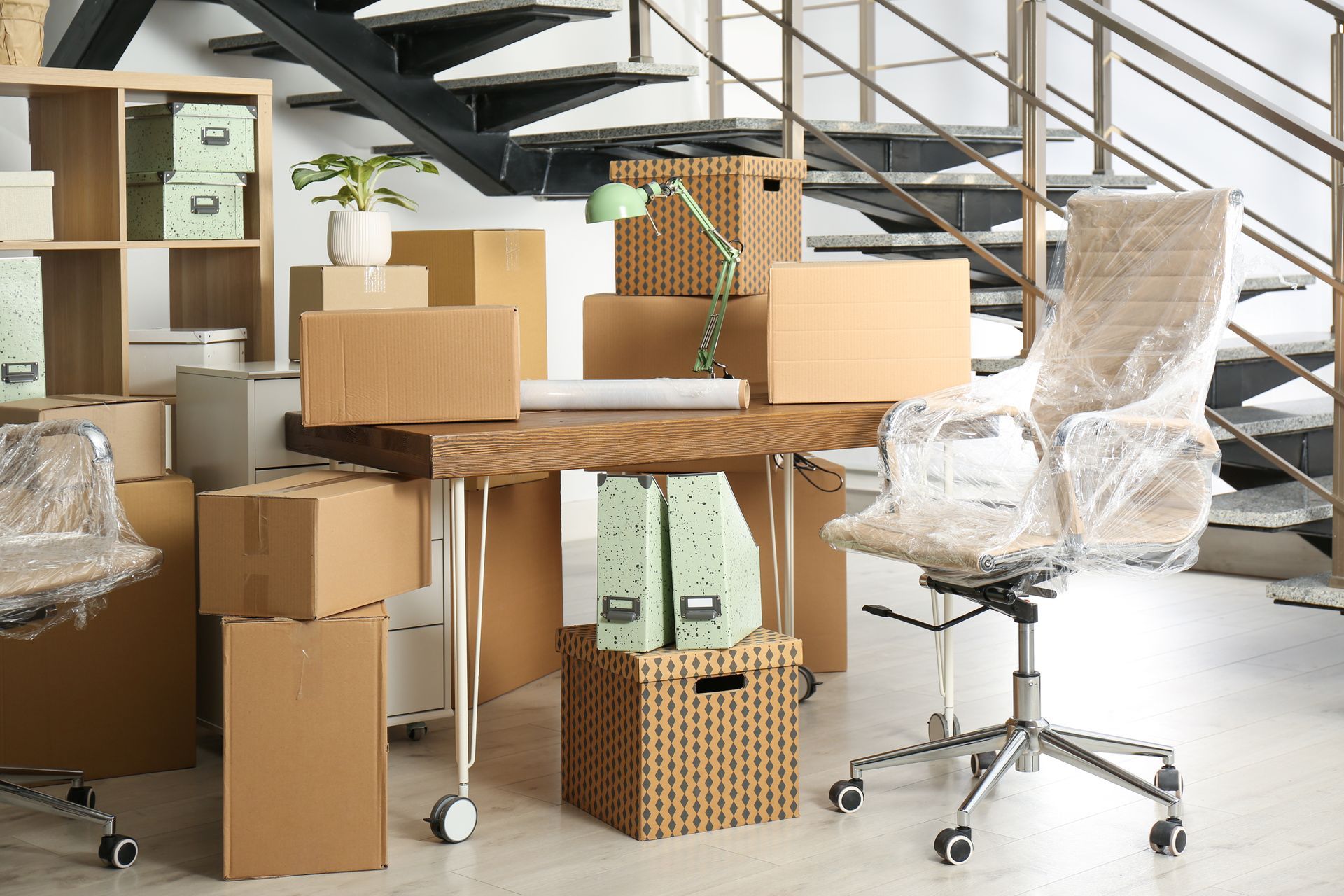
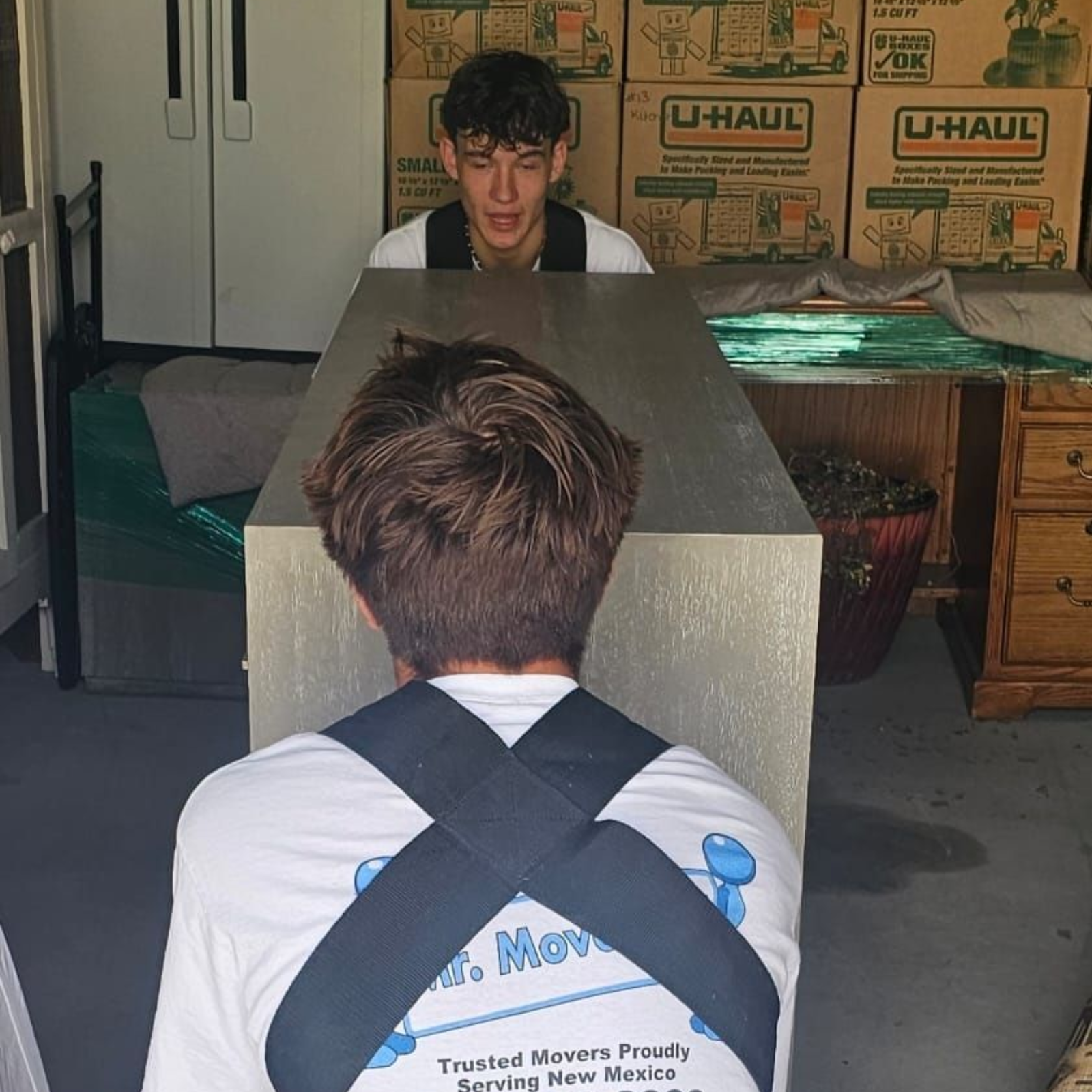
The most difficult items to move out of a house and onto a moving truck are typically large, heavy appliances and furniture pieces. These items must be moved carefully to not only ensure that they don’t get damaged but also ensure that damage to the interior of your home does not occur while your possessions are being moved.
Read on to learn how to protect your walls, doorways, and flooring from moving-day damage.
Walls
When moving heavy furniture on moving day, just one wrong turn by a person helping to transport a piece of furniture down a staircase or through a hallway can lead to the furniture hitting the wall and causing damage. Thankfully, these nicks and scuffs can be prevented when your movers follow these tips:
- Ensure no helpers wear large belt buckles, pointed shoes, or other attire that can scratch walls. When maneuvering furniture through tight spaces, moving helpers may end up walking closer to walls than expected and nicking them with hard or sharp clothing items.
- Disassemble furniture or remove furniture legs if possible. While some furniture items can take some time to disassemble, taking this step can help protect your entire home from damage. You can then carry each smaller piece individually. If a piece of furniture cannot be disassembled, then check to see whether the legs are removable and remove them if possible.
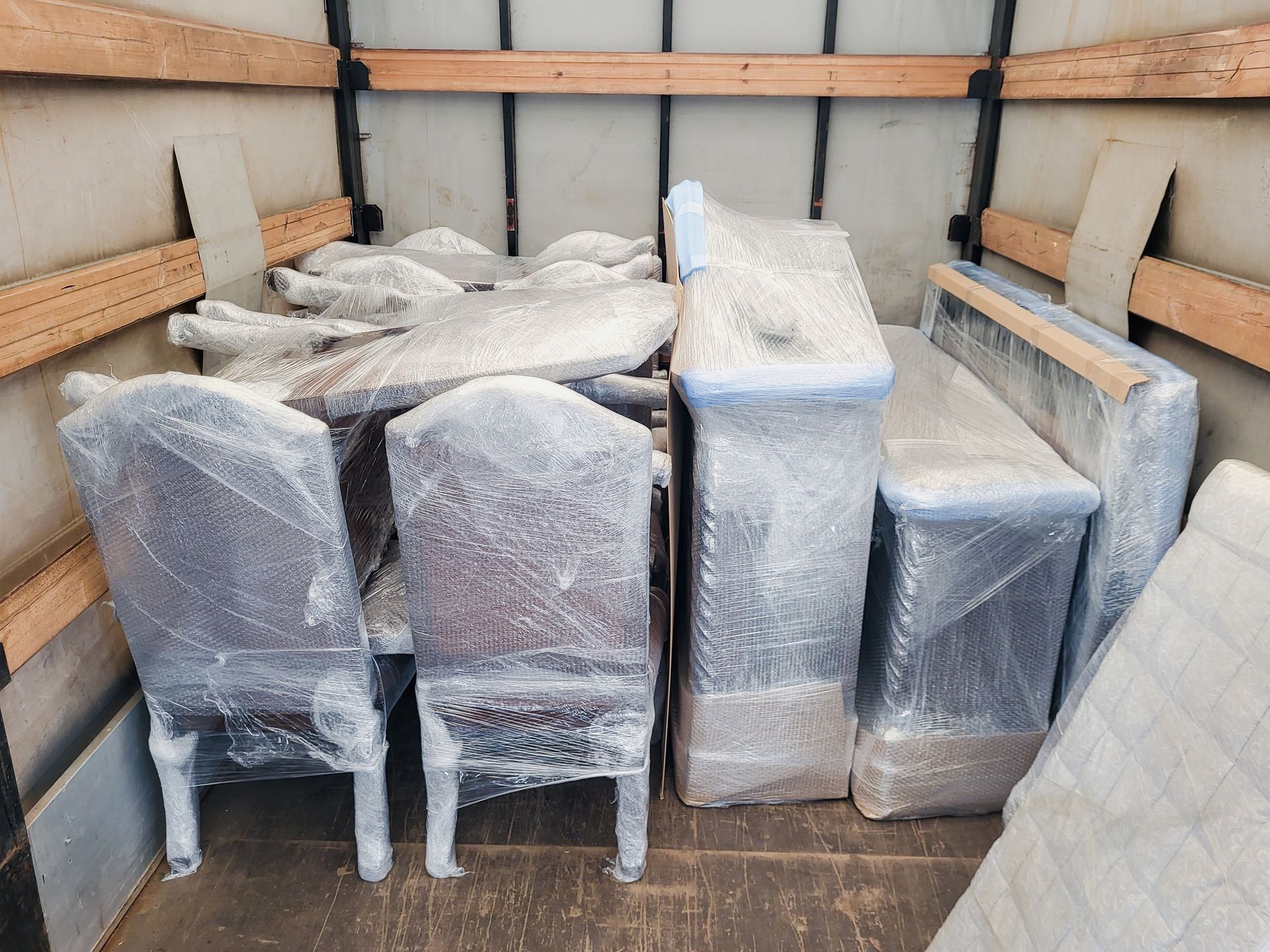
- Cover furniture legs with plastic wrap. If furniture legs cannot be removed, cover them with multiple layers of plastic wrap. These layers will create a soft surface on top of the legs so your furniture is less likely to damage walls.
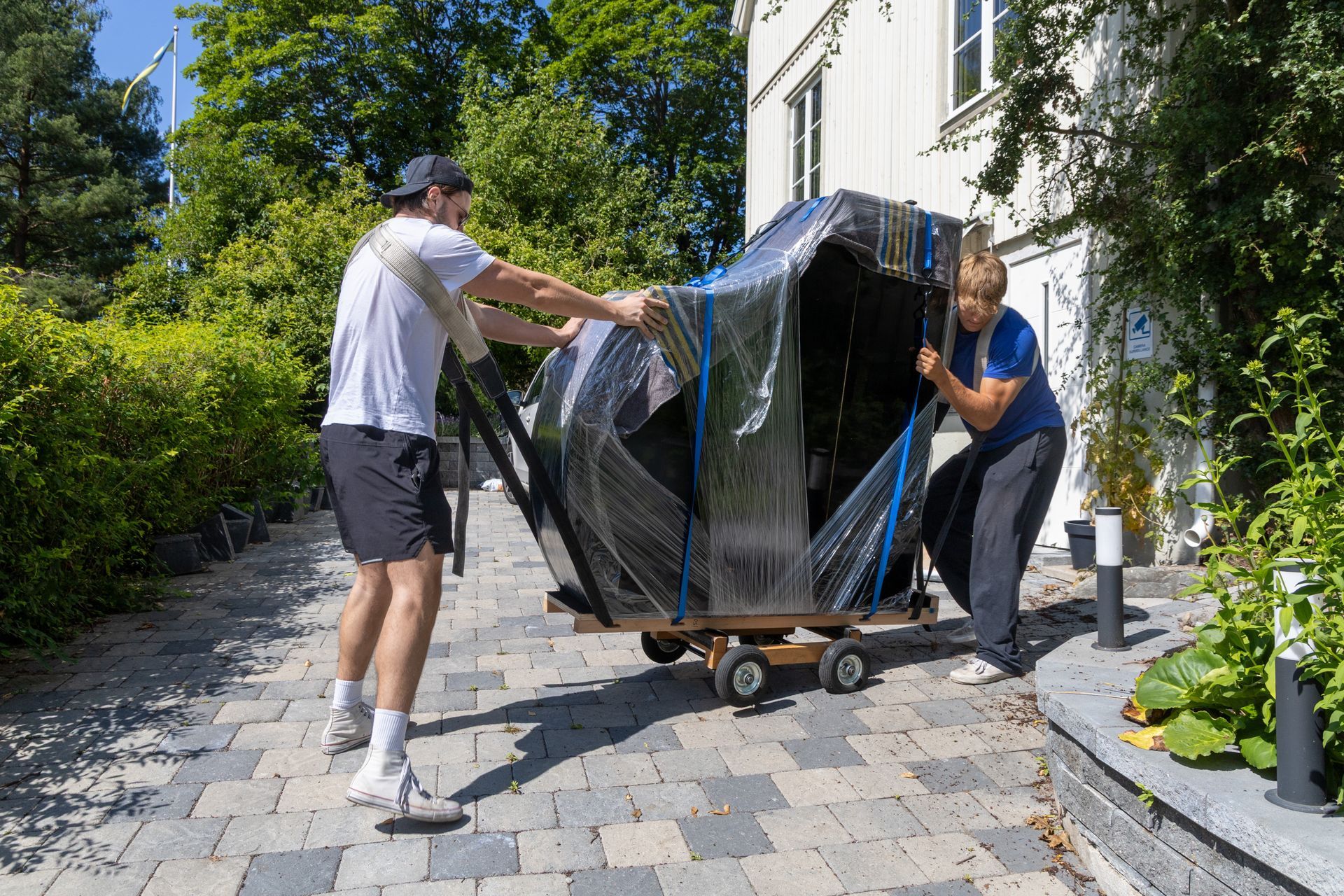
- Wrap furniture with furniture pads or blankets. When covered with a furniture pad or thick blanket, the furniture should cause little to no damage if it hits a wall during the moving process.
- Because pieces of furniture with sharp corners can damage a wall more extensively than softer furniture items can, be sure to handle these items with extra care.
Doorways
You and your moving helpers may have to move a piece of furniture through one or more interior doorways before you pass through the final exterior doorway. As a result, you should take steps to prevent door-frame damage during the moving process.
To protect home doorways, first measure each door frame in your home and the dimensions of each piece of furniture you must fit through it. You need to know if your furniture is too large to fit through the door when disassembled.
If you have furniture that will not fit through a door frame, consider removing the door from its hinges to widen the door frame slightly. If you still need more room, remove one or more parts of the door frame. You can then replace it after the moving process is complete.
Following these steps will widen your door frame by about ½ inch to 1 inch, which may be just enough extra space to fit that furniture through.
To further prevent door frame damage, cover the sides of each frame with door jamb protectors. These are special pads that temporarily cover the jambs to prevent damage to them.
Flooring
Another important part of your home to protect from furniture damage during the moving process is your flooring. First, clean all of your hardwood and tile floors thoroughly on the morning of moving day to prevent damage to them. Any small debris on hardwood or tile floors can be worked into the wood or tile by the feet of moving helpers carrying heavy furniture, and this debris can scratch the floor.
Also, be sure all of your helpers know not to drag furniture items. However, if you have heavy pieces of furniture that must be slid in order to get out of the house, be sure to slide the pieces only on furniture sliders.
It can be tough for those who aren’t professionals to move heavy furniture out of a home without damaging the home’s interior. Contact Mr. Move It All for help making a move without damaging your home.
The post Tips for Avoiding Home Damage When Moving Furniture appeared first on Booth Home Services LLC.
Share This Blog